Wall insulation in Watsonville CA - warmer rooms without tearing out your walls
Cold walls and drafty rooms usually mean nothing's inside the walls. We fill them through small holes so the house holds heat and quiets down.
Request an estimate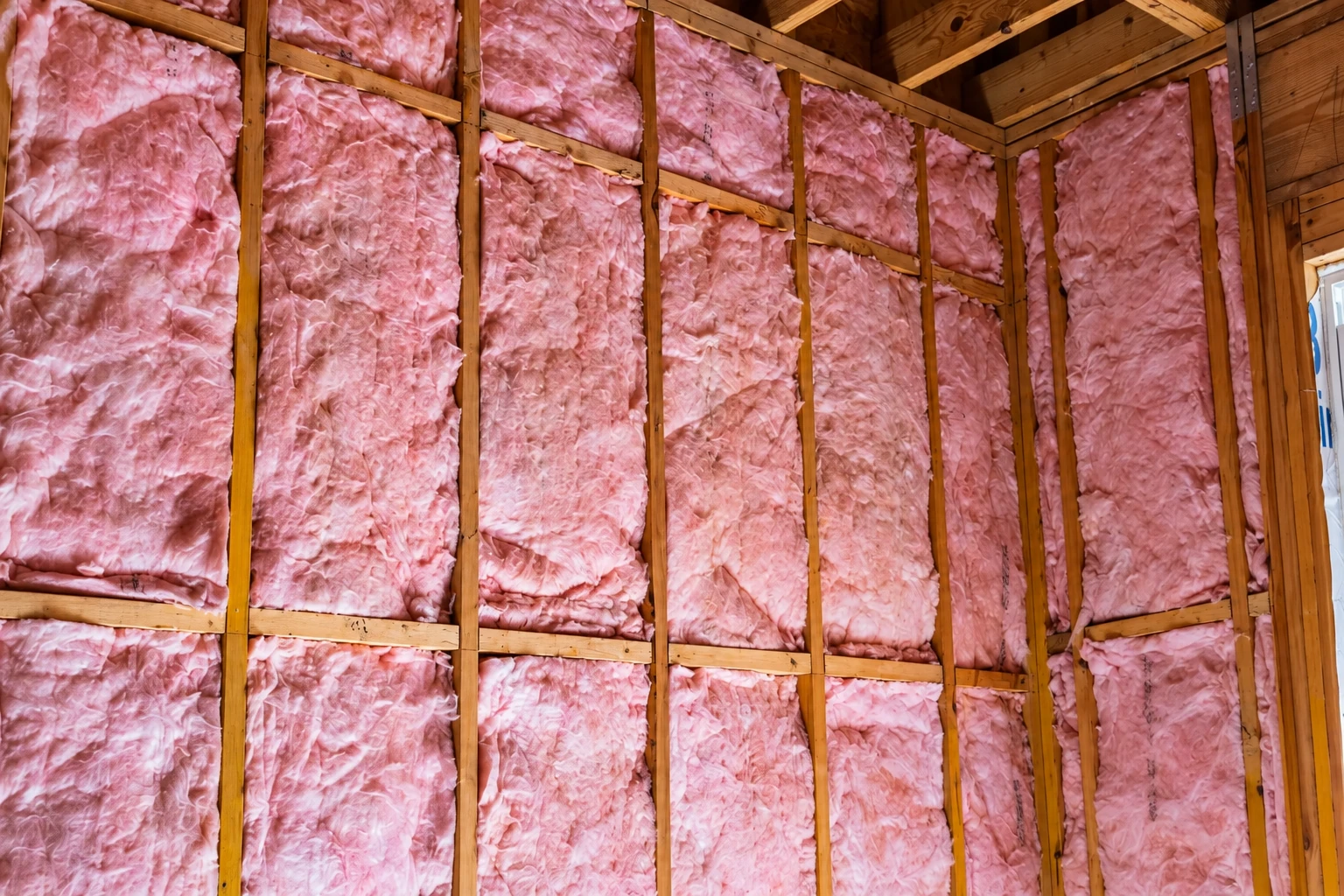
Can you insulate walls that are already finished?
Yes. Wall insulation in Watsonville usually means drill and fill. We drill small holes into a closed wall, blow insulation into the hollow spaces between the studs and seal the holes, so an older house holds its heat, lets in less outside noise and stops feeling drafty along the outside walls.
Most wall calls I get come from people in older houses, or people who just bought one, and the story is the same. The rooms on the outside walls stay cold and the power bill keeps climbing. The price moves with how much wall you have, whether we drill from inside or outside, what your siding or plaster is like and how much patching it takes. The schedule turns on access, how many stories the house has and whether new siding is coming. I come out, look at the walls and write the estimate from what I see, so you get a figure for your house and not a guess. If the attic is still bare, ask about attic insulation too, because heat leaves through the top of the house as well as the sides.
How our wall insulation job goes
I start before anyone drills, the same way you set up your station before you cook. I check the siding and the plaster for cracks and soft spots, because a weak wall can't take insulation packed in tight, and I look for anything inside the wall we'll have to work around. You choose whether we drill from inside or outside, and I'll tell you up front how the patches will look either way. Then our crew drills a row of holes, blows loose cellulose or fiberglass through a hose into each stud space until it's full, plugs and patches the holes and cleans up, and I check the walls before we call it done.
Walls aren't the only place air gets in. Gaps around windows, outlets and pipes leak whether the wall is full or not, so we often pair this job with air sealing services, which close those gaps before the insulation goes in. If the cold is coming up from below, basement insulation takes care of that side of the house.
Wall insulation in Watsonville: permits, hours and houses
In Watsonville, permits come from the Building & Safety Division at the city's Community Development Department. The city's notes don't spell out whether blowing insulation into existing walls needs one, so we check with the office that covers your address, and when a job needs a permit we pull it and line up the inspections. The city also sets work hours, Monday through Friday from 7 AM to 7 PM and Saturday from 8 AM to 5 PM, and Sunday or any other time needs the Community Development Director's approval ahead of time, so we plan the drilling and blowing inside those hours.
A lot of what we open up here is older houses with nothing in the outside walls, plaster or drywall inside and stucco or wood siding outside, and the siding often decides which side we drill from. We see the same houses on jobs in Santa Cruz and Salinas.
Wall insulation work up close
Get a wall insulation estimate for your house
We reply within one business day, and I set a time to come out, look at your walls and write up a free on-site estimate with no obligation. It helps to have your home's age, a rough idea of the wall area in square feet and any siding plans handy.
(831) 666-1048Wall insulation questions from Watsonville
How much does wall insulation cost in Watsonville?
Installed blown-in wall insulation usually runs about $3.80 to $4.60 per square foot across the US, which is a national figure and not our price. Your number depends on how much wall you have, which side we drill from and how much patching it takes, and I'll give you that figure after I've seen the house.
How do I know if my walls already have insulation?
You usually can't tell from the room, so the sure way is a small test hole somewhere it won't show, like inside a closet. Outside walls that feel cold to the touch in winter are a strong hint, and I check this on every estimate because filling a wall that's already full is money for nothing.
What is dense-pack wall insulation, and is it right for my house?
Dense pack means blowing the insulation in tight, which raises the R-value, a measure of how well it slows heat, and cuts both settling inside the wall and air leaking through it. It only works when the walls are well sealed and strong enough to take the pressure, so it comes down to the shape your walls are in, and that's one of the things I look at before I recommend it.
Do we have to leave the house while you insulate the walls?
Usually not, because blown-in cellulose and fiberglass don't need cure time, so there's no wait before you can use the room again. If we're drilling from inside, keep kids and pets out of the room we're working in, since there's dust and furniture pulled away from the walls.
My Watsonville home was built before 1978, so what changes?
You should ask whether the contractor is lead-safe certified, because the EPA's lead renovation rule requires that certification for renovation, repair and painting work in pre-1978 homes. Ask to see it before anyone drills into old painted plaster or siding.
What is the best way to insulate walls if I'm getting new siding?
Insulate while the old siding is off, because the bare walls are open and that's when insulating and air sealing them is easiest and least expensive. Federal energy guidance adds that continuous insulation on the outside, taped so air can't get through, costs only a little more than the siding, so get both jobs priced together. That same guidance says the energy savings often pay it back in 5 to 10 years, and the comfort and quieter rooms show up right away.
Book your Watsonville wall insulation estimate
Call (831) 666-1048 or send the form now, so I can see your walls before the cold months make every drafty room harder to live with.