Basement insulation in Watsonville CA - a warmer basement built on dry walls
Cold, clammy basement and a chilly floor upstairs? We check the walls for water first, then insulate so the room holds its heat.
Request an estimate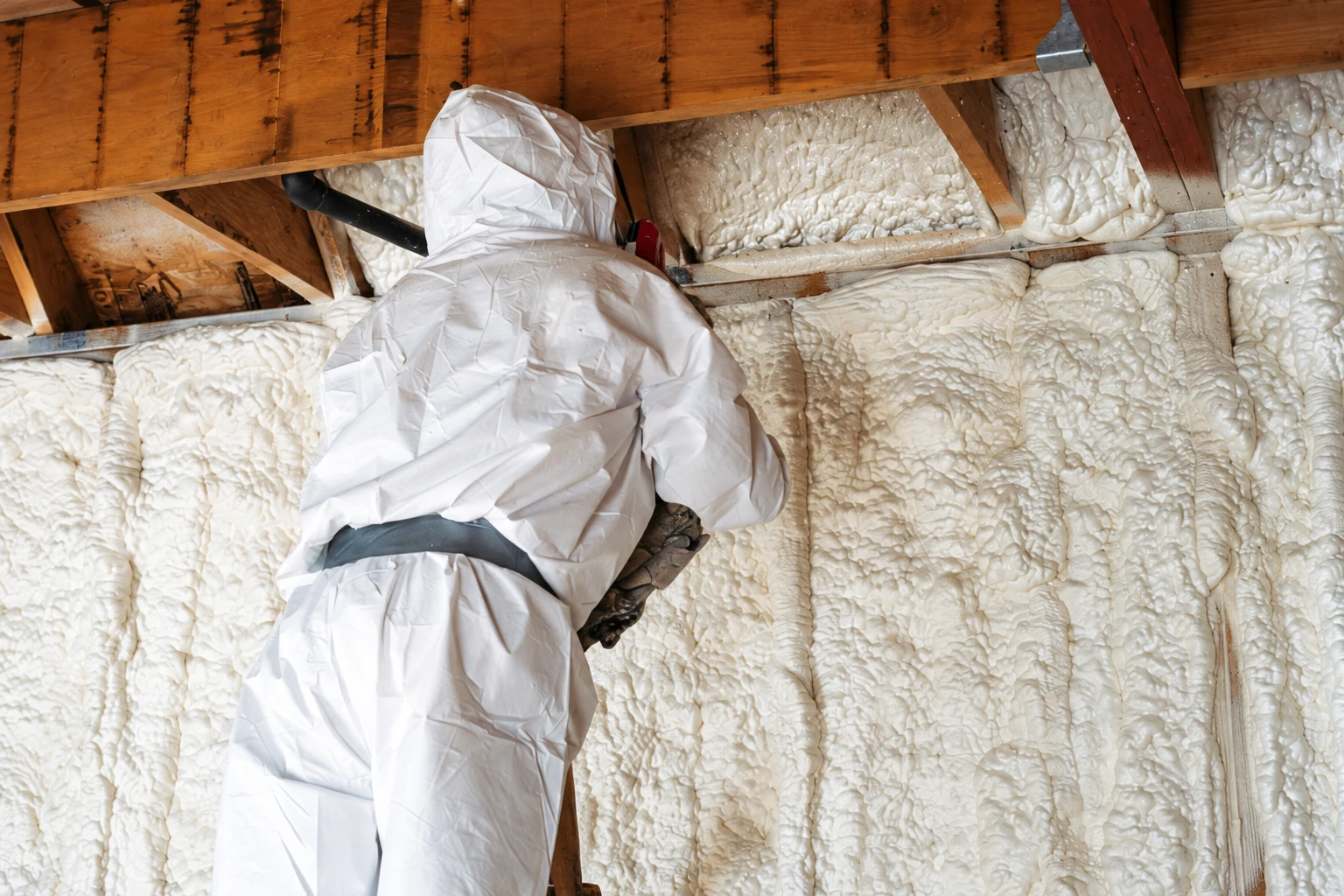
How do you insulate a basement in Watsonville?
Basement insulation in Watsonville means adding insulation to your foundation walls, on the inside or the outside, so the basement holds its heat and keeps more noise from carrying through the house. Done right, it starts with walls that are dry.
Most calls start with a basement that feels cold and clammy, or a floor above it that never warms up. Bad news first. If the walls are damp, the water gets dealt with before any insulation goes in, and that repair is usually what sets the schedule. The price turns on how much wall there is, which side we insulate from and the material you pick, and you get your own figure once I've looked at the space in person. If your house sits over a crawl space instead, crawl space insulation is the page you want.
How we do basement insulation
First we check the walls for leaks, stains and damp spots, because insulation over a wet wall just traps the problem behind it. If there's water, it gets fixed before anything else goes up, and you'll hear that from us before you hear a price. Next we settle inside or outside and pick the material. Then comes prep, the same way you set up your station before you cook, so our crew clears the wall, seals the gaps around pipes and wires that come through it, and covers your floor. The insulation goes on last, and we leave the basement as clean as we found it.
The foam we use downstairs is the same foam we use around the rest of the house. Closed-cell foam insulation is the dense kind that blocks moisture, so it also suits rim joists, the wood band sitting on top of the foundation, and other spots where cold air sneaks in. Open-cell foam insulation is the lighter kind for interior walls and ceilings where quiet counts more than moisture.
What changes basement insulation in Watsonville
Watsonville's Building & Safety Division issues building permits here. The city keeps a list of small jobs that usually don't need one, and it names things like painting and carpeting, not basement insulation, so that list won't settle the question for your house. We check with the city or county office that covers your address, and when a job needs a permit, we pull it and line up the inspections.
Termites are the bigger local question. The city rates the risk of termite damage to buildings in Watsonville as Very High, and that bears straight on whether insulation can go on the outside of your foundation. Most of the basements we see here sit under older houses, so I look for termite signs along with water, and we talk through inside versus outside before you pick. We have that same conversation on basement jobs in Santa Cruz and Salinas.
Basement insulation work up close
Get a basement insulation estimate written on site
We reply to calls and messages within one business day. I'll set a time to come look at your basement in person and write up a free estimate from what I find, with no obligation.
(831) 666-1048Basement insulation questions in Watsonville
Do I need to fix water leaks before insulating my basement?
Yes. Building guidance from the U.S. Department of Energy says to check basement walls for leaks, fix them first and direct water away from the foundation, and insulation on the inside should sit on a very dry wall. If yours isn't dry yet, the estimate will say so plainly, and the insulation waits until it is.
Should basement insulation go inside or outside in Watsonville?
Usually inside on houses here. Department of Energy researchers call outside insulation almost always the better choice, but other DOE guidance says not to use it where termites are a problem, and the city rates that risk very high. If your house does suit outside work, ask how the quote keeps that insulation protected from moisture while it goes in, because the guidance says it needs careful protection during the install.
What is the best insulation for basement walls?
For moisture control, closed-cell spray foam, which the Department of Energy rates best of all the inside foundation insulations and an excellent air barrier too. Open-cell foam also stops air well, but it has to go on thicker before it holds back moisture moving through it. Spray foam has to be covered with ignition-barrier paint, a fire-resistant coating, or drywall, so a foam quote should include that cover.
Can I use fiberglass batts or foam boards on basement walls?
Foam boards, yes, as long as they're stuck to the wall all the way across with no air gap behind them and the seams sealed. Guidance says fiberglass batts and cellulose shouldn't touch the foundation wall, so any quote that uses them should show how they're kept off the concrete.
How much does basement insulation cost around Santa Cruz?
Insulation in the Santa Cruz area usually runs about $1 to $5 per square foot. That's the going rate for insulation around here, not our price, and where a basement lands depends on how much wall there is, foam versus board, and whether there's water work to sort out first, which is a separate cost. Your own number comes from the estimate after I've seen the basement.
How long do we have to stay out after spray foam goes in a basement?
Plan on being out of the house while our crew sprays and for some hours after, until the re-entry time, when it's safe for people and pets to come back, has passed. I'll give you that time for the foam we're using when we schedule, so you can plan the kids, the pets and dinner around it. Foam boards don't need that wait.
Book your Watsonville basement walk-through
Have the basement's rough size and any signs of water or termites ready when you call (831) 666-1048, so the visit starts with what matters.